What Businesses Should Look for in an Office Moving Company
Choosing the right office moving company can make the difference between a business relocation that feels controlled and one that disrupts the entire workweek. An office move is not just about moving desks, chairs, and boxes. It involves employees, equipment, files, technology, building access, timelines, and the pressure of keeping the business running.
Picture a small company preparing to move into a larger office. The team is excited about the new space, but moving day is getting close. Computers need to be packed, conference room furniture needs to be moved, and employees still need to serve customers until the last possible moment. Without the right moving company, the move can quickly become stressful and disorganized.
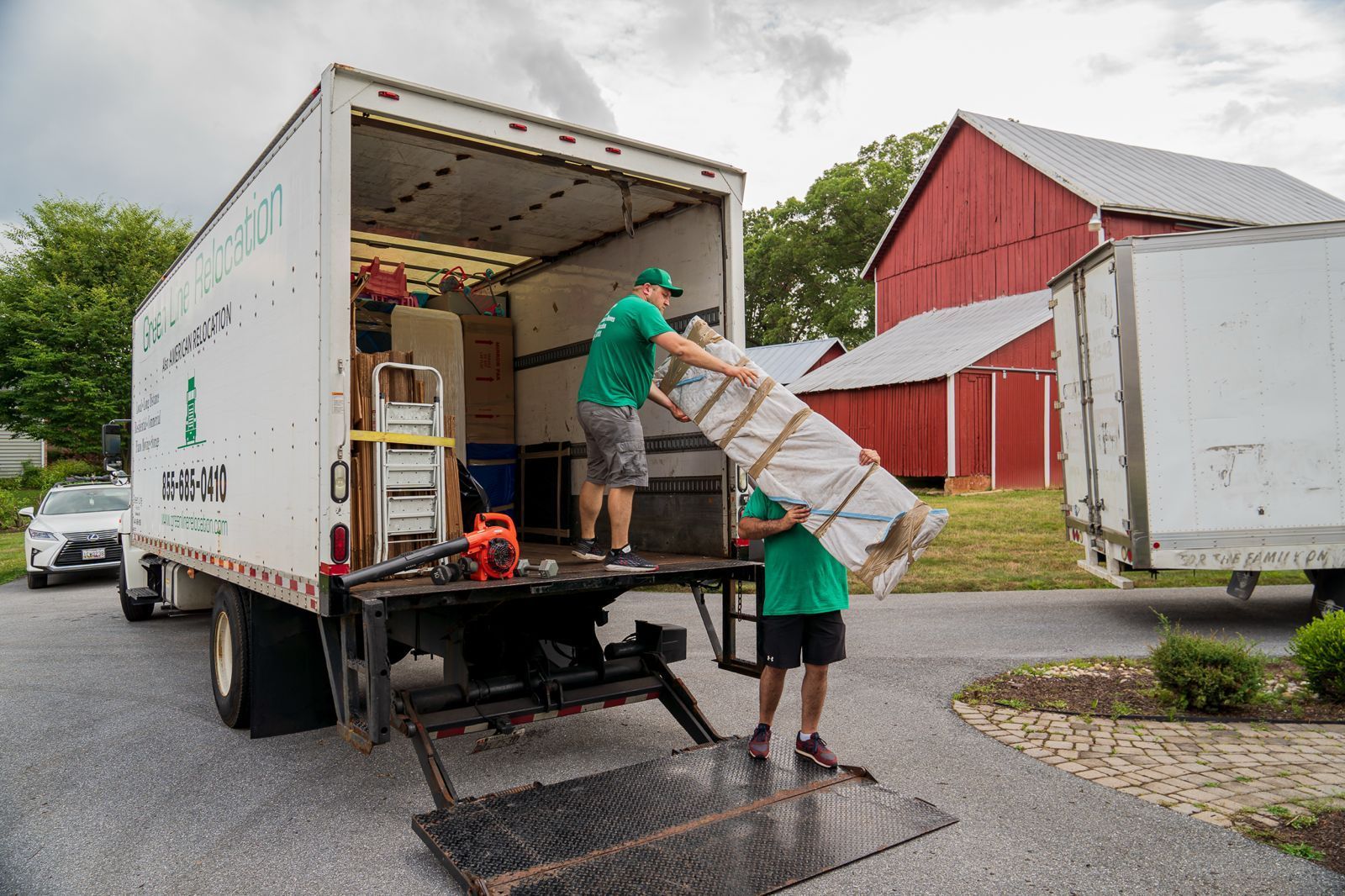
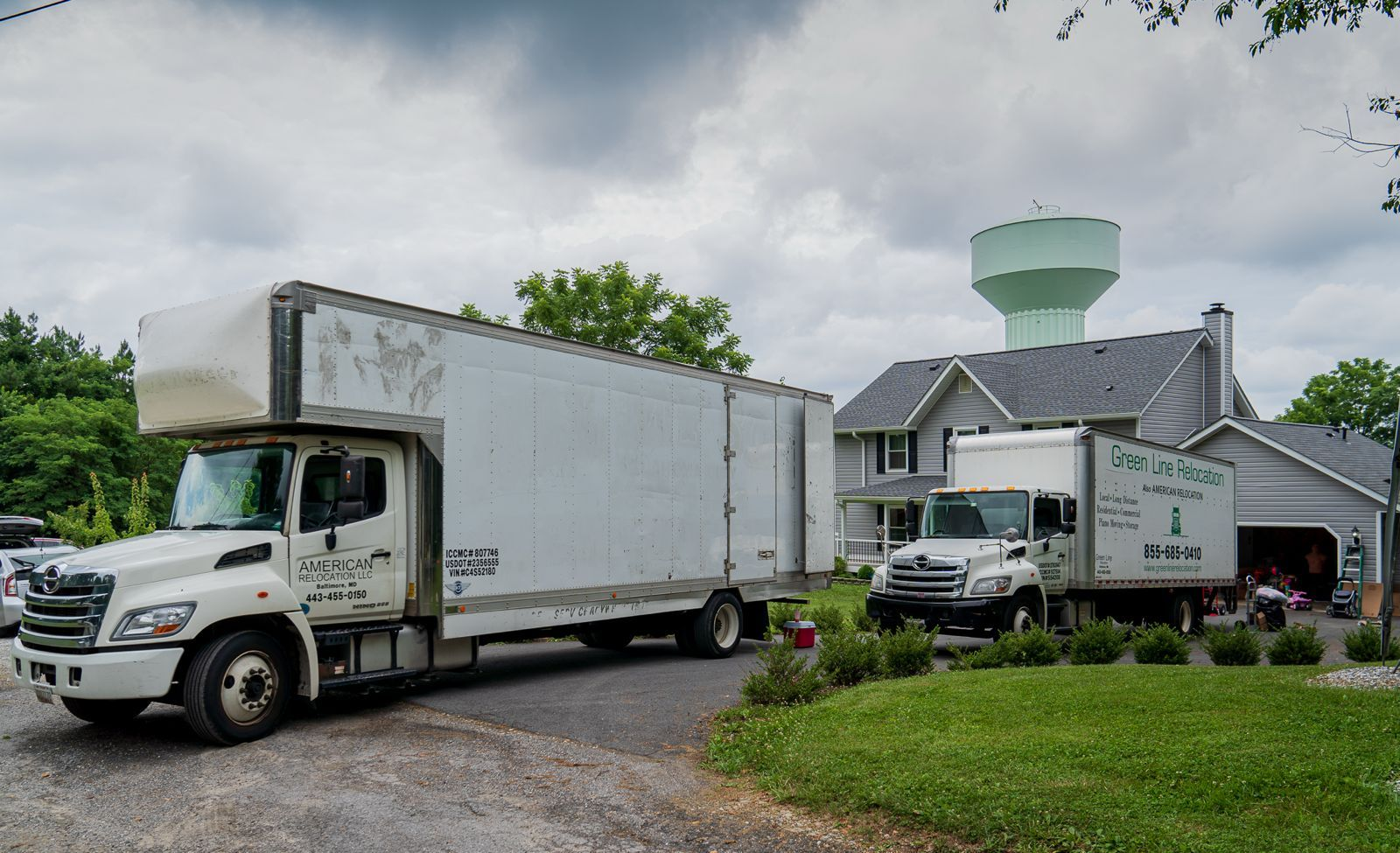
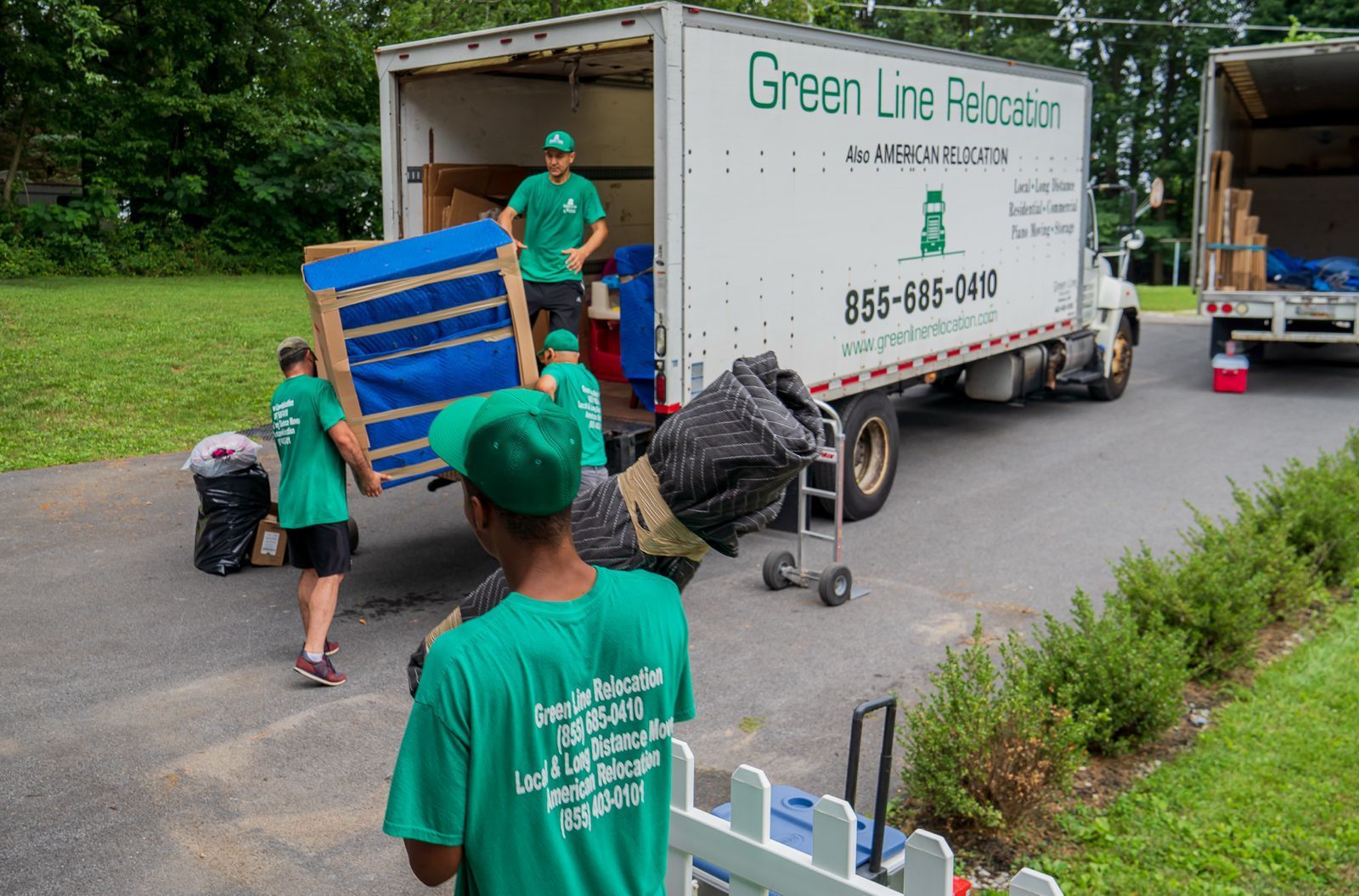
Green Line Relocation helps businesses plan office relocation projects with professional commercial movers, clear communication, and business relocation services designed to reduce downtime.
Call Green Line Relocation today to speak with an office moving company about your upcoming business move.
Start With Experience in Office Relocation
Not every local moving company is prepared for an office move. Residential moves and office moves have different priorities. A home move usually focuses on personal belongings, furniture, and household items. An office relocation also has to account for workstations, shared spaces, electronics, documents, and business continuity.
A reliable office moving company should understand how businesses operate. The movers should know that delays can affect employees, customers, and daily workflow. They should also be able to discuss the move in practical terms: what needs to be packed first, what should be moved last, and how the new office should be set up for a smoother return to work.
Experience matters because office moves often happen under tighter schedules. Many businesses want to move after hours, over a weekend, or in phases so operations do not stop completely.
Look for Clear Planning and Communication
A business move should not feel like guesswork. Before moving day, the moving company should help the business understand the process, the schedule, and the responsibilities on both sides.
A good planning conversation should cover:
- Office size and number of workstations
- Building access, elevators, and parking
- Furniture, equipment, and fragile items
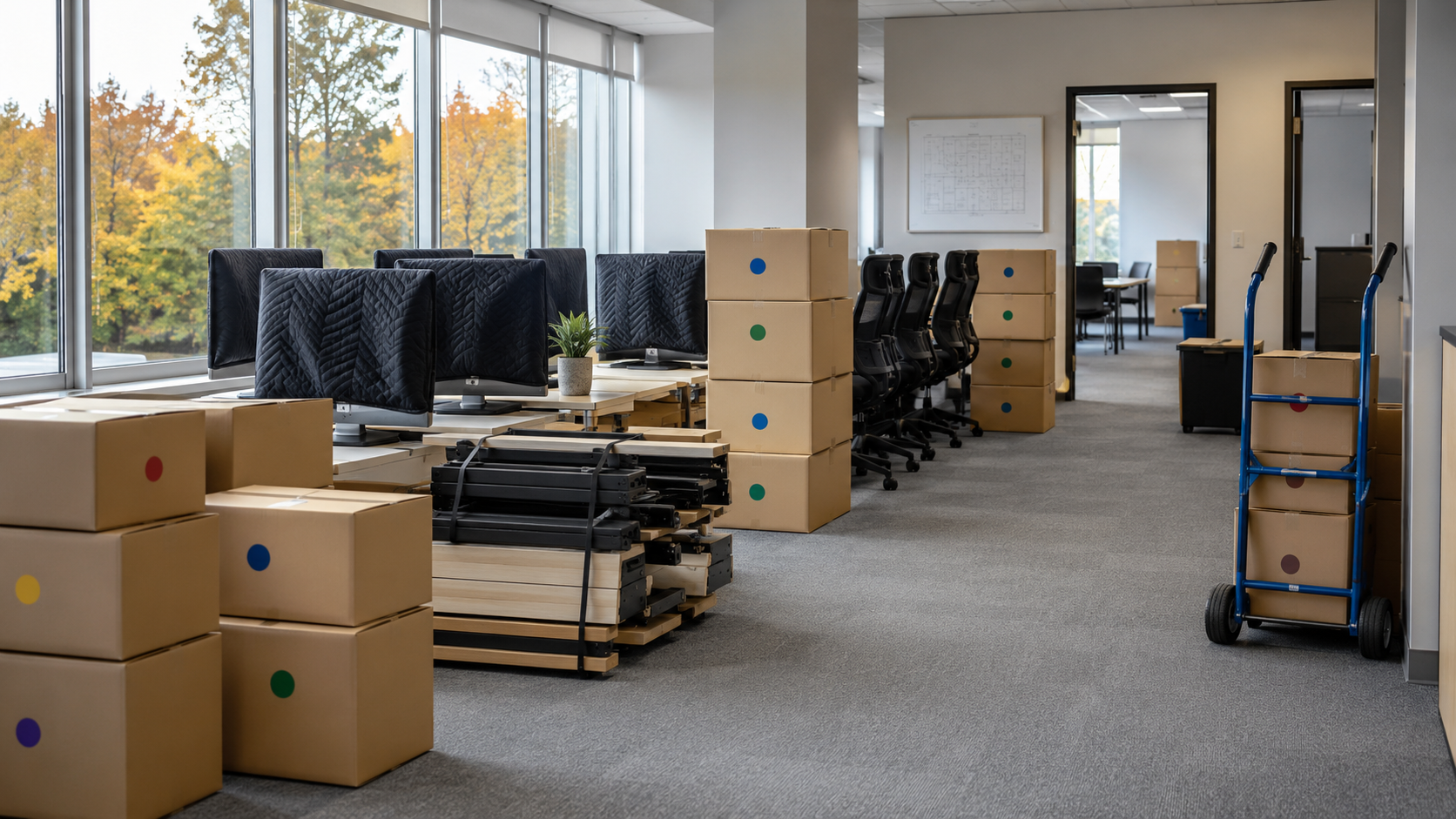
- Packing needs and labeling system
- Move timing and setup expectations
This kind of planning helps prevent confusion. For example, if the new building requires elevator reservations, the movers need to know that before the truck arrives. If employees need specific desks or equipment placed in certain offices, labels and room plans can save time during unloading.

Make Sure the Movers Can Protect Office Equipment
Office moves often include items that are expensive, fragile, or important to daily work. Computers, monitors, printers, conference room equipment, filing cabinets, and specialized tools all need careful handling.
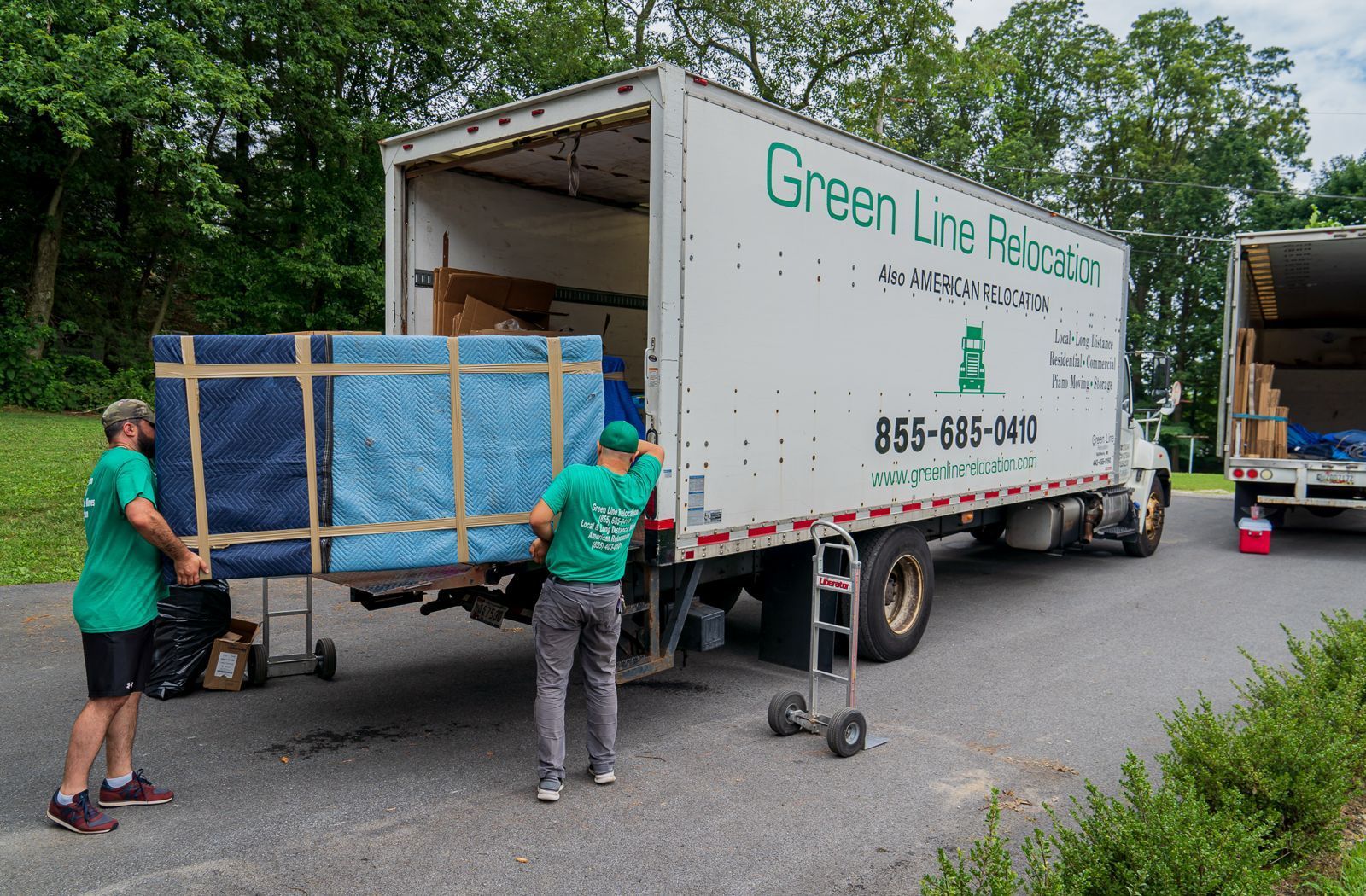
Professional commercial movers should have a process for protecting furniture and equipment during the move. That may include wrapping desks, securing electronics, protecting doorways, and loading items in a way that reduces shifting during transport.
This matters because one damaged workstation can delay an employee’s return to work. A misplaced box of files can slow down a department. A moving company that understands office equipment can help reduce those risks and keep the transition more organized.
Ask About Downtime and Business Continuity
One of the biggest concerns during an office relocation is downtime. A move that takes too long can affect productivity, client communication, and employee schedules. That is why businesses should ask how the movers help reduce disruption.
A strong moving plan should consider what needs to remain usable until the last day in the old office and what should be ready first in the new space. For some businesses, the priority may be employee desks. For others, it may be phones, reception areas, storage rooms, or meeting spaces.
Green Line Relocation helps businesses think through those details before moving day. The goal is not only to transport items safely, but to help the business get back to work with less confusion.
Questions to Ask Before Hiring an Office Moving Company
Before choosing a moving company, businesses should ask questions that reveal how prepared the movers are for commercial work.
Helpful questions include:
1. Have you handled office relocation projects before?
2. Do you provide commercial movers for business moves?
3. How do you protect desks, electronics, and office equipment?
4. Can you help with move timing and building access planning?
5. What should our team do before moving day?
The answers should feel clear and practical. If a company cannot explain how it handles office moves, it may not be the right fit for a business relocation.
Why Choose Green Line Relocation for Office Moving
Green Line Relocation helps businesses move with a process built around planning, careful handling, and clear communication. Whether your company is moving across town, relocating to a new office building, or expanding into a larger workspace, the right team can make the experience less stressful.
An office move affects more than furniture. It affects employees, schedules, equipment, and the way the business returns to normal after the move. Working with experienced commercial movers gives businesses a better chance of staying organized from the first packed box to the final setup.