How Commercial Movers Help Reduce Downtime During a Business Relocation
Commercial movers can make a major difference when a business needs to relocate without losing days of productivity. Moving an office, retail space, medical office, warehouse area, or professional workspace is not only about transporting desks and boxes. It is about protecting equipment, organizing teams, planning the sequence of the move, and helping employees get back to work as quickly as possible.
A business relocation can become stressful when the details are handled too late. Computers may not be packed in the right order, furniture may arrive before the new space is ready, employees may not know what to take home, and essential files or equipment may be hard to find after the move. Professional movers help reduce that confusion by creating a clearer plan before moving day begins.
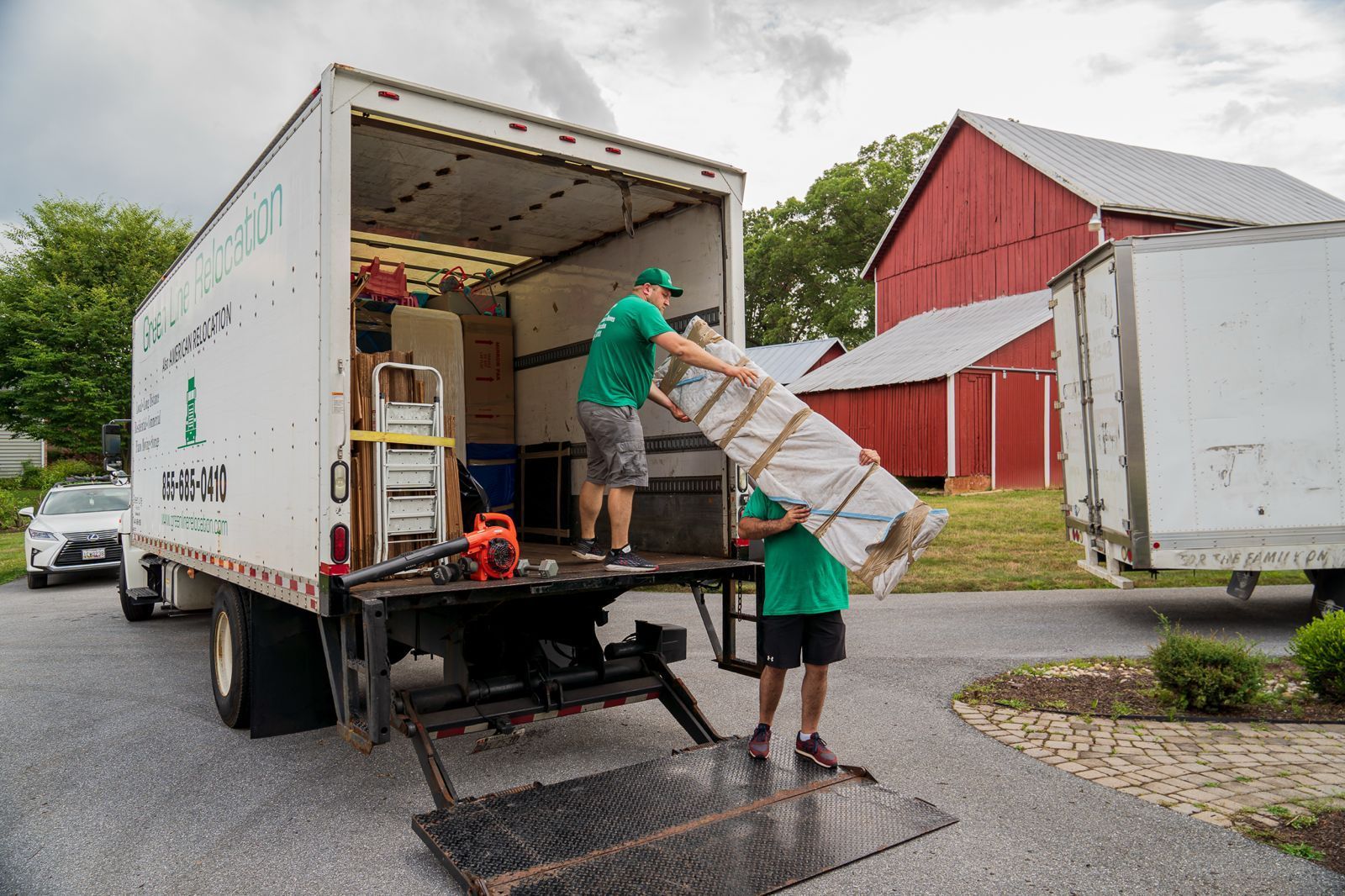
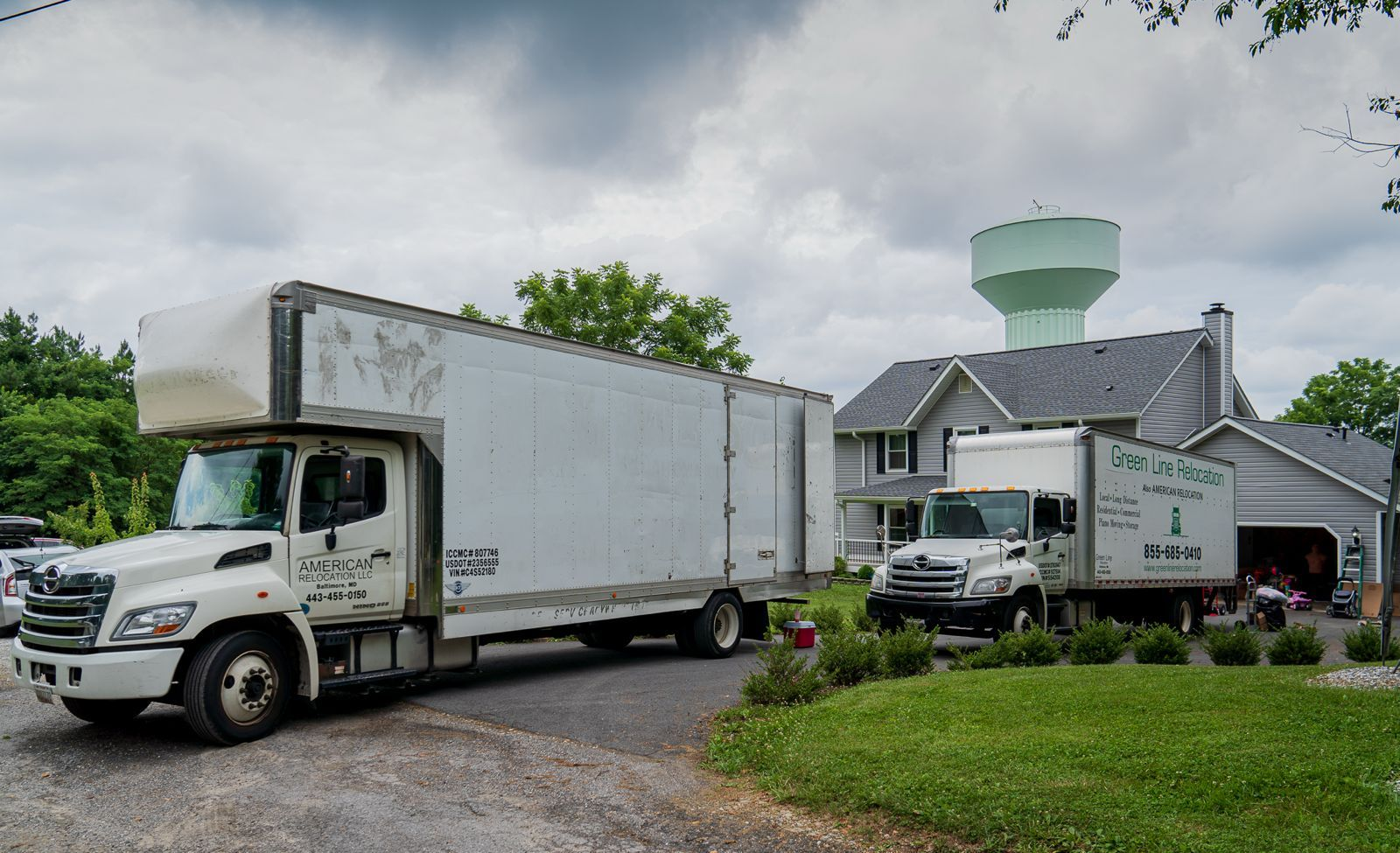
Green Line Relocation helps businesses prepare for commercial moves with planning, packing support, office movers, and relocation services designed around business continuity. If your company is preparing for a move, learn more about commercial moving support.
Downtime Usually Starts Before Moving Day
Many companies think downtime begins when the moving truck arrives, but it often starts earlier. Employees lose time searching for packing instructions, managers are pulled into last-minute decisions, and teams may not know which items should move first. When the move is not planned clearly, normal work can slow down before the relocation even begins.
A moving company that handles business relocation services can help organize the process ahead of time. That may include reviewing the current workspace, understanding the new layout, identifying priority departments, and deciding which equipment must be moved and set up first.
What should a business prepare before calling commercial movers? It helps to know the moving timeline, the size of the workspace, the type of equipment being moved, building access requirements, and which teams need to resume work first. The more clearly those details are discussed, the easier it is to create a practical moving plan.
Planning Helps Keep the Move From Disrupting the Whole Team
A commercial move should have a clear plan before packing starts. Businesses need to know what is moving, what is being replaced, what should be discarded, and what needs special handling. Without that plan, employees may pack inconsistently, important items may be mislabeled, and the new workspace may feel disorganized on the first day back.
Professional movers can help break the relocation into manageable steps. Office supplies, files, furniture, technology, conference room items, and employee workstations can be organized by department or priority. This makes unloading easier and helps the new office come together faster.
For companies moving from one office to another, Green Line Relocation can connect commercial planning with office relocation support.
Equipment and Furniture Need the Right Handling
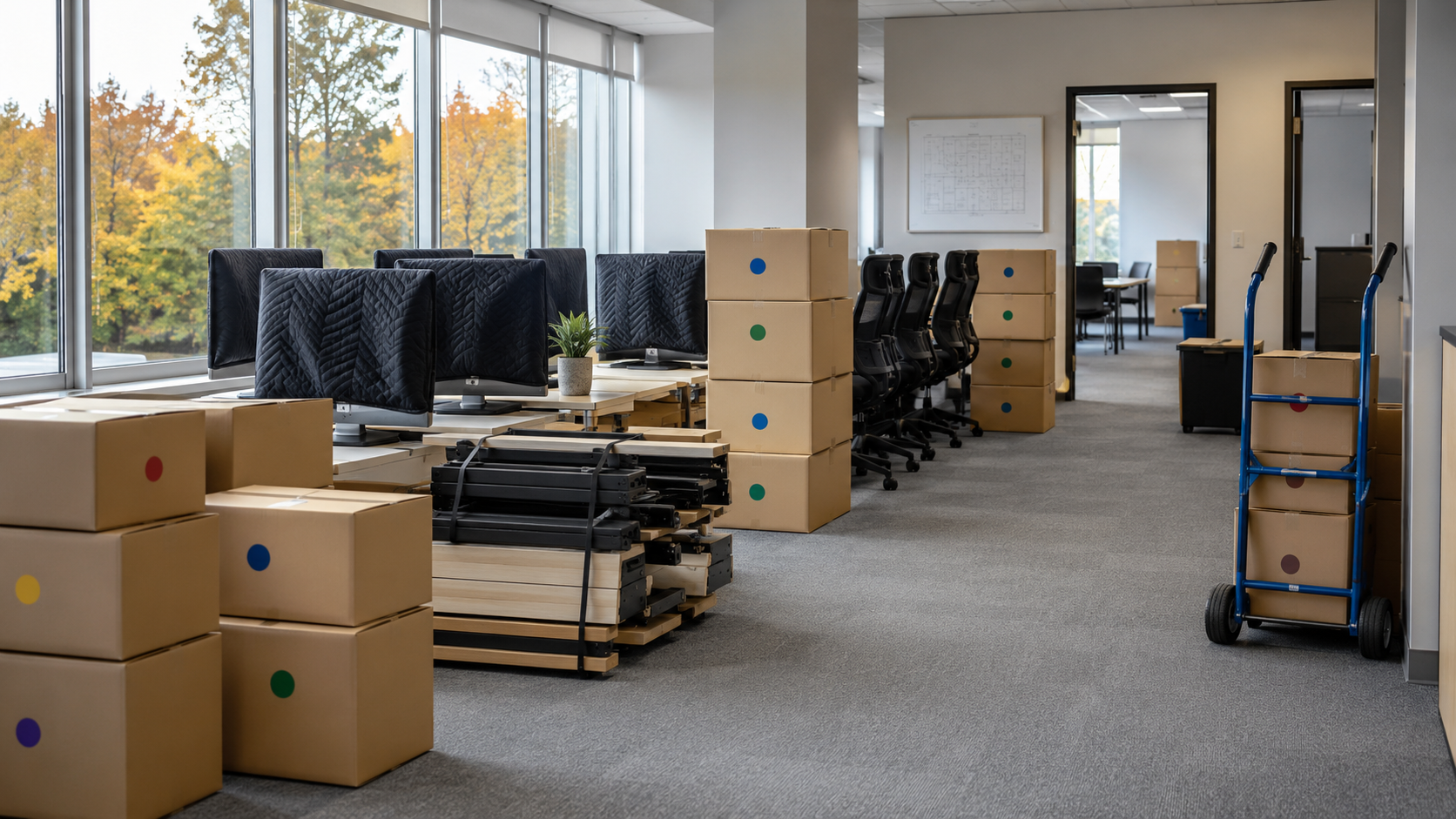
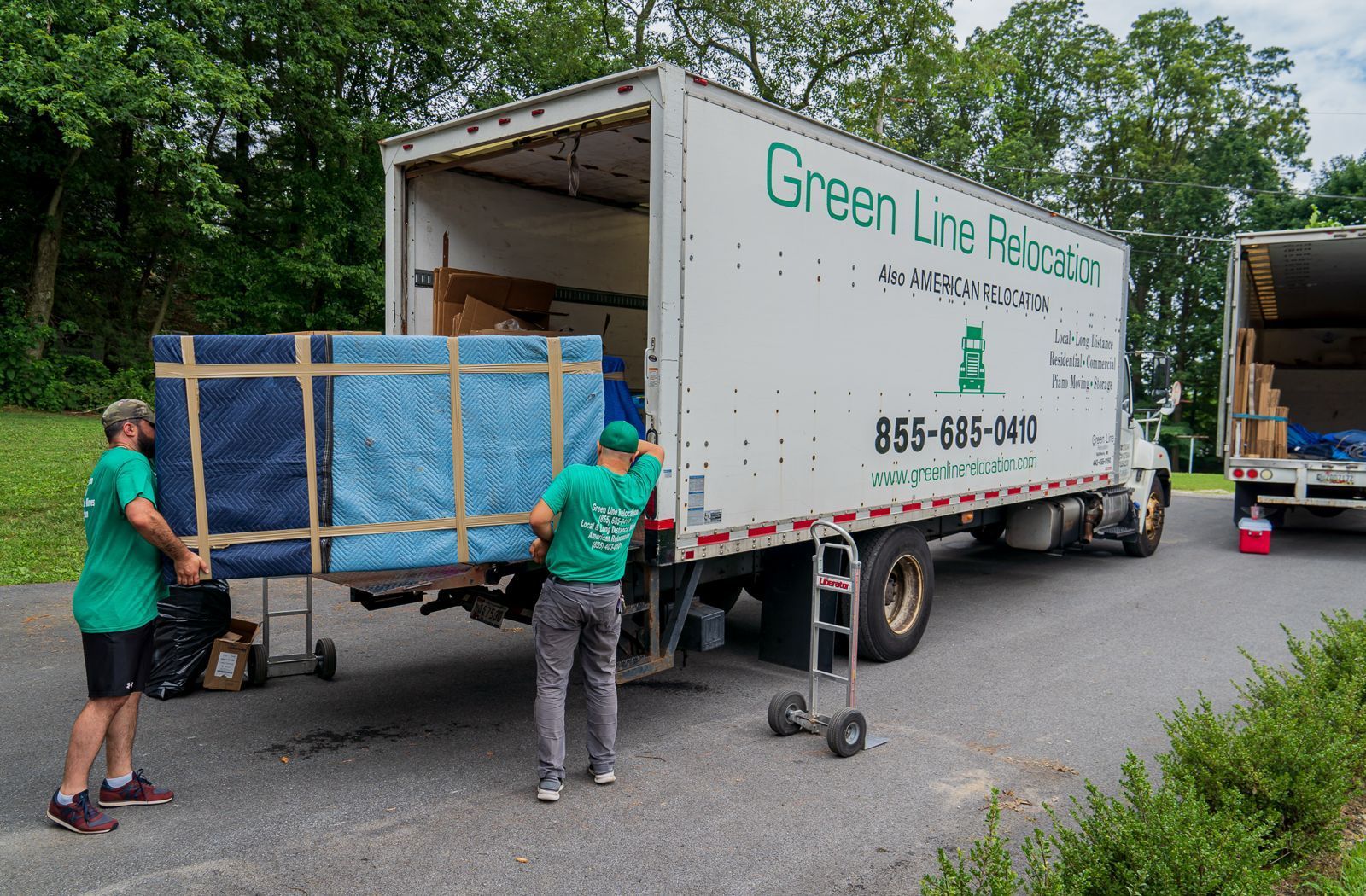
Business moves often include more than standard boxes. Desks, chairs, file cabinets, monitors, printers, conference tables, shelving, and specialized equipment may all need to be moved carefully. If items are handled without a plan, the business may face delays, damage, or confusion during setup.
Professional movers understand that equipment is connected to workflow. A workstation is not useful if the chair, monitor, labeled box, and desk parts are all in different areas of the new office. A good moving plan keeps related items together so employees can return to their workstations faster.
Should employees move their own office equipment? Small personal items may be handled by employees if the company prefers, but larger equipment, furniture, and shared office items are usually better handled by trained office movers. This helps reduce risk and keeps the process more consistent.
Sequencing Can Reduce Delays at the New Location
Sequencing means deciding the order in which items are packed, loaded, moved, unloaded, and placed. For a business relocation, this step is important because not every item has the same priority. Some departments may need to restart quickly, while others can be set up later.
For example, a front desk or customer service area may need to be ready before a storage room. A conference room may be less urgent than employee workstations. Technology areas, records, and shared equipment may need careful placement so the team is not searching for essentials after the move.
Commercial movers can help organize the move around the business schedule. That may include moving certain areas first, labeling by department, placing items according to the new floor plan, or planning around building access and elevator schedules.
Employee Communication Makes the Move Smoother
Even with professional movers, employees need clear instructions. A business relocation can become confusing when each person packs differently or receives updates at the last minute. Good communication helps employees understand what to pack, when to pack it, how to label it, and what they should keep with them during the transition.
Managers may want to give employees a simple checklist before the move. Personal desk items, chargers, documents, and items needed immediately after the move should be handled intentionally. Shared supplies, department files, and equipment should be labeled in a consistent way.
A common question business owners ask is: how much should employees be involved in the move? Employees should usually be involved enough to organize their personal work areas, but they should not have to carry the relocation alone. Professional movers help keep the move structured while employees stay focused on their actual work.
Office Relocation Should Match the New Space
A move is easier when the new space is planned before items arrive. If boxes, desks, and equipment are unloaded without direction, the business may spend extra time rearranging everything later. That can create more downtime after the move is technically complete.
Before moving day, the company should think about department placement, workstation layout, storage areas, conference rooms, reception areas, and traffic flow. When the moving team understands where items should go, unloading becomes more efficient.
Green Line Relocation can help businesses think through these details so the move supports the way the company will operate in the new location. For companies planning an office move, office moving support can help connect the current workspace to the new layout.
Why Choose Green Line Relocation for Commercial Moving
Green Line Relocation helps businesses manage office relocation and business moves with organized planning, professional movers, careful equipment handling, and clear communication. The goal is not only to move items from one location to another. The goal is to help the business transition with less confusion and fewer unnecessary delays.
Commercial moves require coordination because every hour can matter. When packing, labeling, sequencing, and setup are handled with a plan, employees can return to work faster and the new space can become functional sooner.
Planning a business relocation? Call Green Line Relocation today or request a commercial moving quote.