
Your Office Has a Moving Date. Your Business Still Has a Schedule
Preparing a workplace for relocation creates an unusual overlap. Employees are still answering emails and meeting deadlines while furniture is being labeled, files are being sorted, and decisions about the new space are happening in the background. The office needs to function almost until the moment it begins coming apart.
The moving plan should respect that reality. Green Line can handle packing, furniture disassembly, equipment transportation, reinstallation, and workspace setup, while coordinating with the people responsible for IT, management, and building access. Evening and weekend scheduling is also available when keeping more of the relocation outside normal working hours makes better operational sense.
Keep the business focused on its work while the workplace gets ready for what comes next.
Have a workplace change ahead? Build the moving plan around the way your business works.


Decide What Can Move Early and What Has to Wait
An office does not need to become a room full of boxes all at once.
Archived materials and unused furniture may be ready days ahead. Computers used by customer-facing employees might stay connected until much later. Shared equipment can have its own timeline, and IT may need access to certain systems after other areas have already been cleared.
Dividing the workplace according to those priorities creates a more practical sequence for the relocation. It also helps determine what should arrive first in the new office so employees are not waiting on essential equipment while lower-priority items are already in place.
Give the New Space an Address for Everything
A destination plan can save considerable work after delivery. Instead of deciding where desks and equipment belong while they are coming through the door, establish those locations beforehand.
Department Zones
Assign rooms, areas, or destination codes to each team. Those identifiers can follow boxes, furniture, and equipment throughout the relocation.
Workstation Layouts
Desks, cubicles, and conference-room arrangements can be dismantled and rebuilt according to the configuration required at the new workplace.
Technology Placement
Servers, computers, and networking equipment should return to locations that make sense for the IT setup. Green Line can coordinate directly with the company's technology team during disconnection, transportation, and reconnection.
Floor Plan Direction
A detailed layout gives movers a reference for positioning departments, equipment, and furniture during unloading instead of leaving the entire setup for employees afterward.

Let the Building Rules Into the Plan Early
The company may be ready to move at 9 a.m. The building may have other ideas.
Elevator reservations, loading dock availability, security procedures, vehicle access, and approved moving hours can narrow the window for getting an office out of one property and into another. Discovering one of those restrictions after the crew arrives can disrupt an otherwise workable schedule.
Green Line coordinates with building managers as part of its office relocation process, allowing those requirements to be considered alongside the company's own timeline. After-hours and weekend options provide additional flexibility when the available building window or business schedule makes a traditional weekday move less practical.

Why Choose Green Line as Your Office Move?
Commercial relocation puts important business assets in someone else's hands. Before choosing an office moving company in Westminster, it is worth considering the team's experience, who will coordinate the project, how adaptable the plan can be, what goes into the estimate, and the company's established record.
Experienced Office Movers
Green Line reports more than 15 years of expertise and 23,000+ overall relocations. That experience has exposed the team to different property conditions, schedules, logistical requirements, and moving scenarios.
Dedicated Move Coordinator
A relocation coordinator provides a consistent point of contact for the moving side of the project. That helps connect crew requirements, timing, building access, and selected services while your internal team manages its own responsibilities.
Flexible Moving Plans
The approach can reflect the workplace rather than forcing every business into the same package. Green Line states that office moves are tailored according to factors such as timeline, layout, and team size, with specialized services available when the relocation calls for them.
Transparent Pricing
Office moves can vary substantially depending on the amount being transported, equipment, packing requirements, access, and additional services. Defining the scope early gives the estimate a clearer connection to the work the relocation actually requires.
Proven Moving Record
Green Line works through its own in-house team rather than third-party moving crews or outsourced call centers. The company also lists US DOT 2268422 and MC 774535 among its licensing information.
Choose the team responsible for the transition as carefully as you choose the new workplace.
Give Employees a Head Start at the New Office
Your staff can contribute to an organized relocation without becoming responsible for the physical move.
Clear Personal Workspaces
Ask employees to sort personal belongings, unnecessary paperwork, and items that should not travel with the office shipment.
Identify Immediate Needs
Each department can flag what it requires first when operations resume.
Use Destination Labels
Room numbers, department names, or workstation codes make placement more useful than generic box descriptions.
Protect Access Information
Keys, badges, credentials, and sensitive documents should have a clearly defined owner during the transition.
Name Decision-Makers
IT, facilities, management, and property-access questions should each have someone authorized to provide quick answers.
Green Line recommends scheduling office relocations roughly four to six weeks in advance, giving businesses time for building coordination, IT preparation, and preferred-date availability.
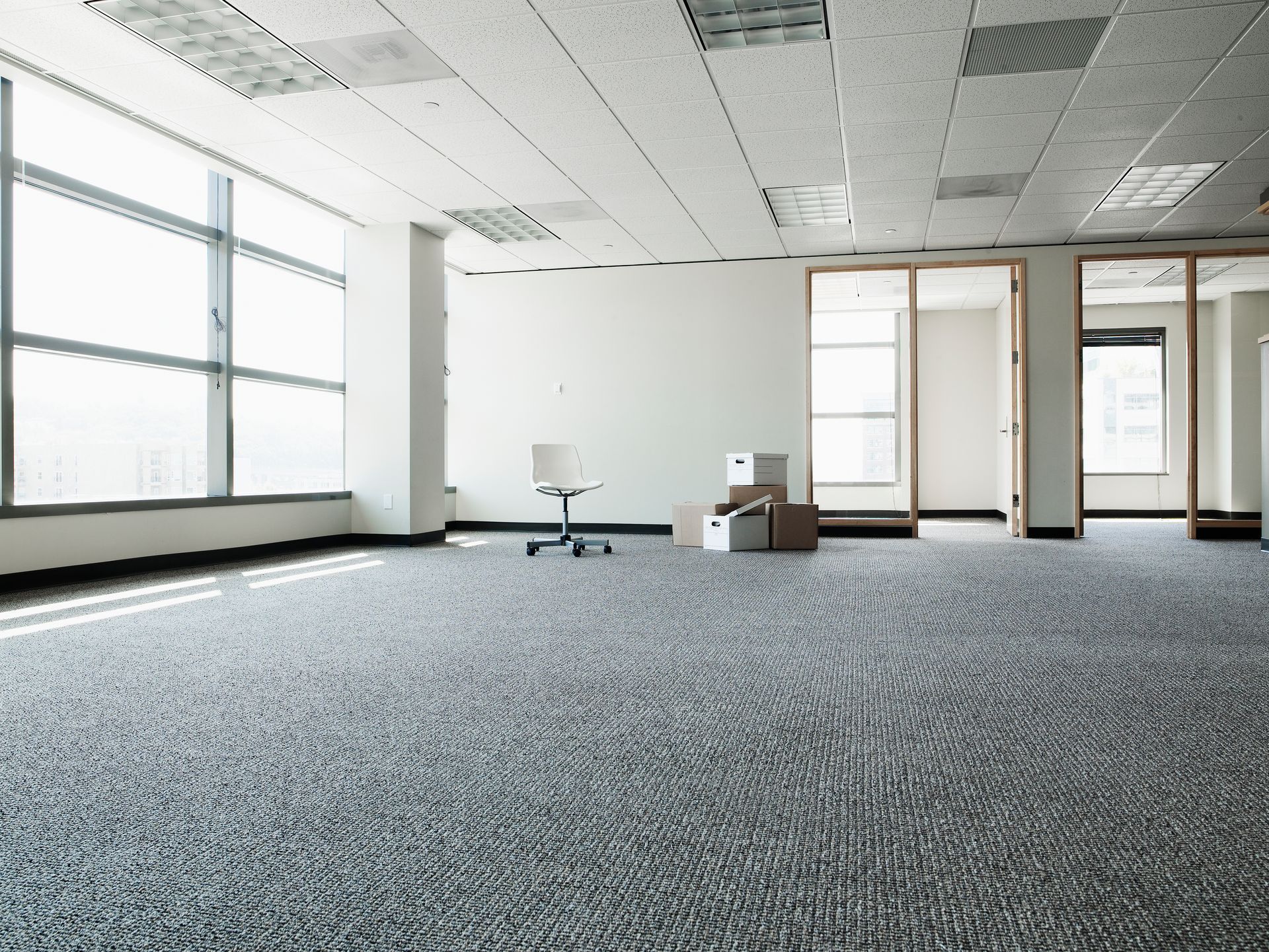







When an Office Asset Needs Its Own Plan
Some workplace contents cannot simply join the nearest stack of boxes. Technology, modular furniture, business records, and specialized equipment each introduce different considerations.
IT & Network Equipment
Computers, servers, and networking equipment can be disconnected, transported, and reconnected in collaboration with your IT team, helping technology preparation stay aligned with the broader relocation.
Furniture Reconfiguration
Desks, cubicles, and conference-room setups can be dismantled before transportation and reconstructed according to how the new workplace needs to function.
Files & Documents
Physical records can be boxed, labeled, and transported in an organized manner so departments can identify what they need after arriving at the new office.
Temporary Storage
A phased move, renovation, or unfinished section of the new workplace may mean some assets should arrive later. Green Line offers short- and long-term storage options for office relocations when the entire workspace cannot transition at once.
Not every part of the office has to follow the same timeline.
FAQS
Local Moving Frequently Asked Questions
Make the New Address Work From the Beginning
A workplace relocation has done its job when employees can sit down,
find what they need, and return their attention to the business.
Emptying the previous office is only half of that equation.
Plan the Westminster move around how the next workspace needs to function,
then let each stage of the relocation work toward that result.

Or Call (855) 685-0410 to start your free quote!