
Keep the Business Moving While the Office Changes
An office relocation can be packed into boxes, but the work happening inside it cannot always wait. Client calls still need answers, deadlines remain on the calendar, and employees may depend on computers, files, and shared equipment until surprisingly late in the relocation.
A successful transition starts by protecting those priorities. Green Line can organize the physical side of a Washington, DC office move around the way your company needs to operate, including furniture disassembly, packing, equipment transportation, reinstallation, and workspace setup. After-hours and weekend moves are also available when shifting the heavier work outside normal business hours helps preserve productivity.
Change the address without letting the relocation become the company's main job.


Start With What the Business Needs on Day One
The new office doesn't need everything operational at exactly the same moment. It needs the right things first.
A customer service team may need computers and phones immediately. Archived records can probably wait. Conference furniture may have a lower priority than shared equipment, while IT may need access to certain areas before employees return.
Establishing those priorities gives the movers something more useful than a list of furniture. It creates an order for packing, loading, delivery, and setup based on how the workplace will actually be used.
Give Every Part of the Office a Destination
A well-labeled box tells you what's inside. A well-planned office move also tells you where it belongs.
Organize by Department
Assigning rooms, departments, or workstation numbers before packing helps keep belongings connected to the people who will need them after arrival.
Prepare Furniture for the New Layout
Desks, cubicles, and modular furniture can be disassembled for transportation and rebuilt according to the configuration planned for the destination.
Keep Technology Accounted For
Green Line can work alongside internal IT personnel when computers, servers, and networking equipment need to be disconnected, transported, and reconnected as part of the transition.
Direct the Unload With a Floor Plan
Detailed floor plans can guide furniture, equipment, and department placement at the receiving location instead of leaving those decisions until everything is coming off the truck.

In Washington, the Building Can Shape the Schedule
Sometimes the office itself isn't the most restrictive part of the move. The building is.
Loading dock availability, elevator reservations, security procedures, permitted moving hours, and access for the moving vehicle can determine when certain work is possible. Green Line coordinates with building managers as well as company leadership and IT teams so those requirements can be addressed before they interfere with the relocation.
For businesses that cannot afford substantial weekday interruption, evening and weekend scheduling provides another option. Instead of automatically sacrificing productive hours, the physical move can be positioned during a quieter period.
Why Choose Green Line as Your Office Move?
Your company has its own project to manage: preparing employees, clients, technology, and operations for the new location. The office moving company should bring the experience, coordination, flexibility, pricing clarity, and track record needed to manage its side of that transition.
Experience That Has Seen Different Moves
Green Line reports more than 23,000 overall relocations and 15+ years of expertise. That volume represents experience accumulated across different properties, schedules, destinations, and logistical circumstances rather than a single type of move.
A Coordinator Between Your Team and the Crew
Office relocations involve questions from several directions. A dedicated relocation coordinator provides a consistent connection to the moving side of the project while Green Line works with leadership, IT, and property management on the requirements that affect execution.
Services That Match the Workplace
The needs of an office aren't determined by square footage alone. Technology, furniture systems, files, access restrictions, department priorities, and the destination layout can all influence the approach. Green Line states that office relocations are tailored around factors such as timeline, layout, and team size.
Pricing With the Scope Defined First
Distance, shipment volume or weight, requested services, and special requirements can affect moving costs. Green Line provides detailed estimates upfront based on those variables, making it easier to understand what the proposed relocation includes.
A Team With a Public Track Record
Green Line reports more than 800 five-star Google reviews and BBB certification. Its movers are full-time employees, and the company says many have been part of the team for more than seven years.
Choose an office mover that gives your company more to evaluate than an available date and a truck.
Your Employees Know the Office Better Than the Movers Do
That knowledge is useful, but not for carrying desks. Give employees preparation tasks that make the relocation smarter without turning them into part of the moving crew.
Mark What Must Remain Available
Each department should identify the files, equipment, or workstations it needs until close to departure.
Label for Where Things are Going
Destination rooms and workstation numbers make placement more useful than labels describing only what's inside a box.
Separate Personal Belongings
Employees should know what they are expected to transport themselves rather than allowing personal items to enter the commercial shipment unintentionally.
Establish Decision-Makers
IT, facilities, management, and building-access questions should each have someone authorized to provide an answer.
Green Line recommends booking moves around four to six weeks ahead, particularly when date availability and additional coordination are important.






Some Office Assets Need Their Own Moving Strategy
A workplace isn't a collection of identical desks and boxes. Certain assets require more deliberate handling because their function, organization, or placement matters after delivery.
IT & Network Equipment
Computers, servers, and networking equipment can be handled in coordination with your IT department, including disconnection, transportation, and reconnection.
Modular Furniture & Workstations
Cubicles, desks, and other furniture systems can be taken apart before transportation and reconstructed to suit the arrangement of the new office.
Files & Physical Records
Documents can be boxed, labeled, and transported with organization in mind so active and archived materials remain identifiable throughout the transition.
Restricted Building Access
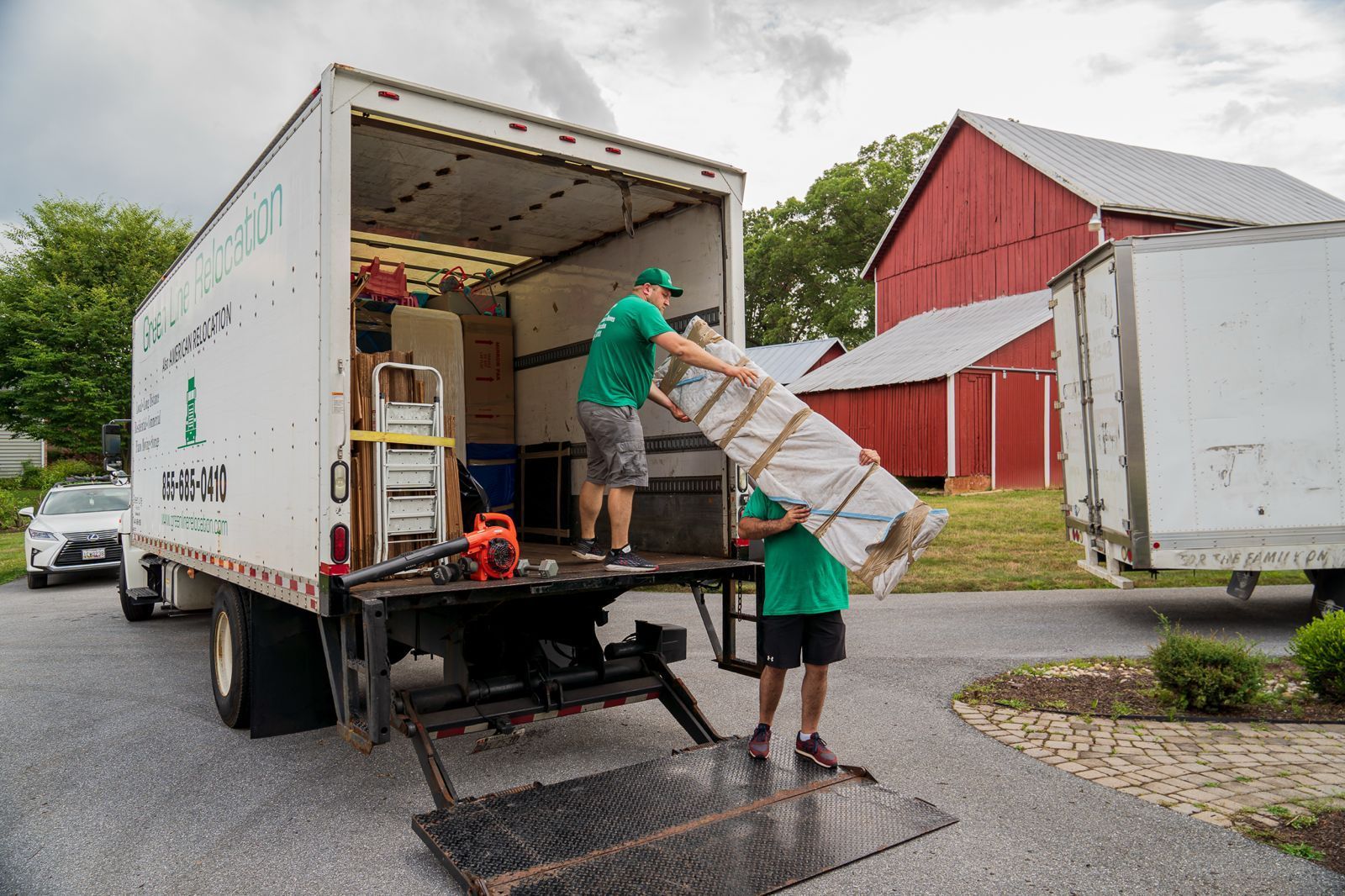
If a larger moving truck cannot adequately reach the property, Green Line offers shuttle service using smaller vehicles to transfer office contents between the building and the main truck.
Identify what makes your workplace different before those assets are surrounded by moving boxes.
FAQS
Local Moving Frequently Asked Questions
Be Ready for Business at the Other Address
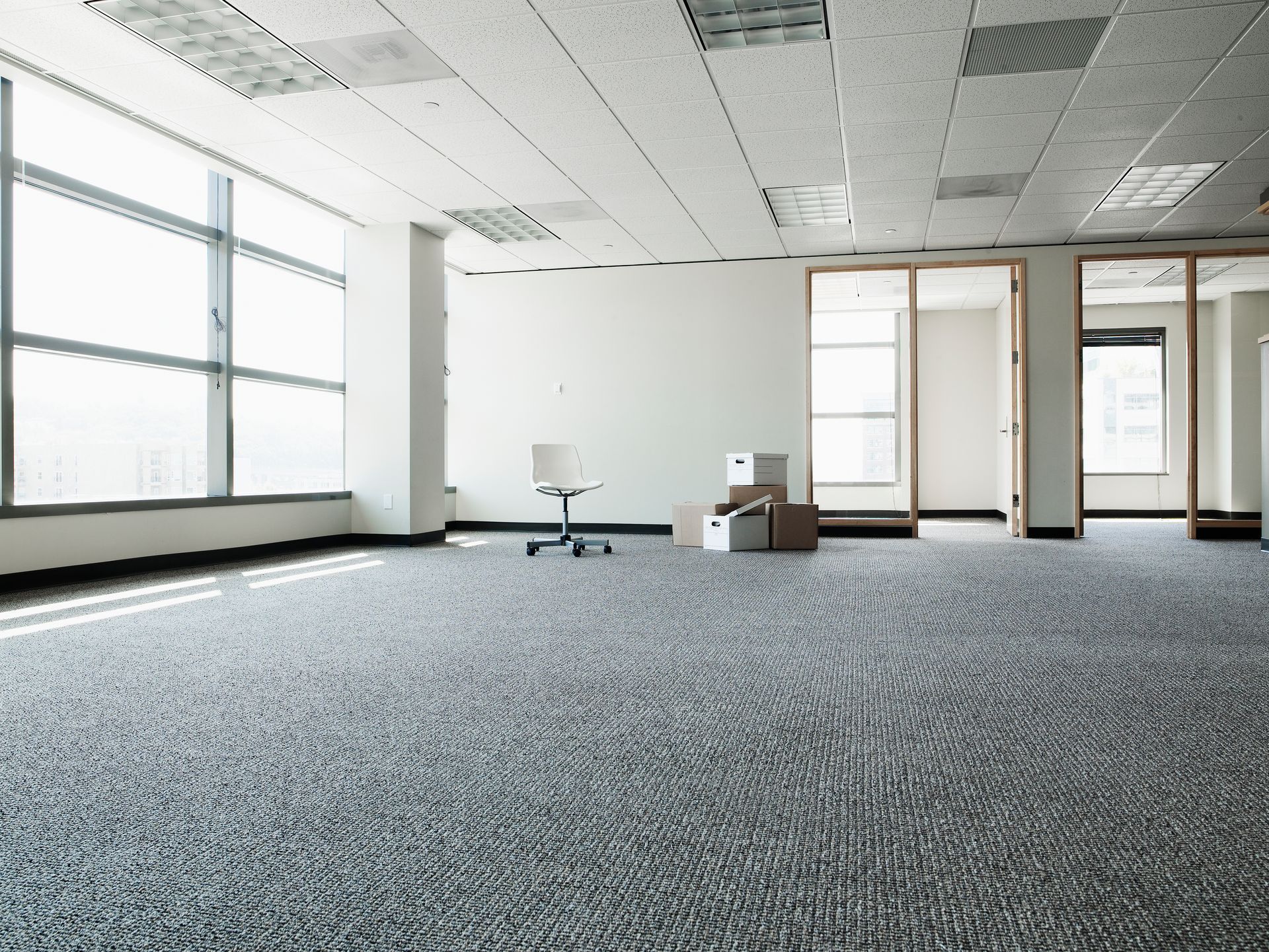
An empty old office isn't the outcome you're working toward.
The real objective is a new workplace where departments can find what they need, employees can return to their roles, and the company can get back to normal without spending days finishing the move.
Plan the Washington, DC relocation from that first working day backward.

Or Call (855) 685-0410 to start your free quote!