Move the Office Without Losing Sight of the Business
The difficult part of relocating an office is not simply getting desks and equipment onto a truck. It is deciding when systems can go offline, which teams need access to their workspaces the longest, how the buildings will accommodate the crew, and what needs to be functional first at the new location.
Green Line Relocation provides office moving services in Bethesda, MD with planning that can account for those operational priorities. The moving team can coordinate with leadership, IT departments, and building management while handling furniture, equipment, packing, transportation, and workspace setup. Evening and weekend moves are also available when shifting the relocation outside regular working hours makes better sense for the company.
Bethesda office relocations may involve professional suites, corporate offices, managed commercial buildings, or workplaces with specific loading and elevator procedures. Coordinating with building management at both locations can help confirm access hours, loading areas, elevator reservations, insurance requirements, and other conditions before moving day.
Keep the relocation moving forward without making it the center of everyone's workday.


Your Employees Have a Role in the Move. Heavy Lifting Isn't It.
A workplace transition already gives employees plenty to prepare. They may need to organize files, secure sensitive materials, finish projects before systems go offline, or adjust to an entirely different workspace. Adding furniture disassembly and equipment handling to that list can take people away from the work only they can do.
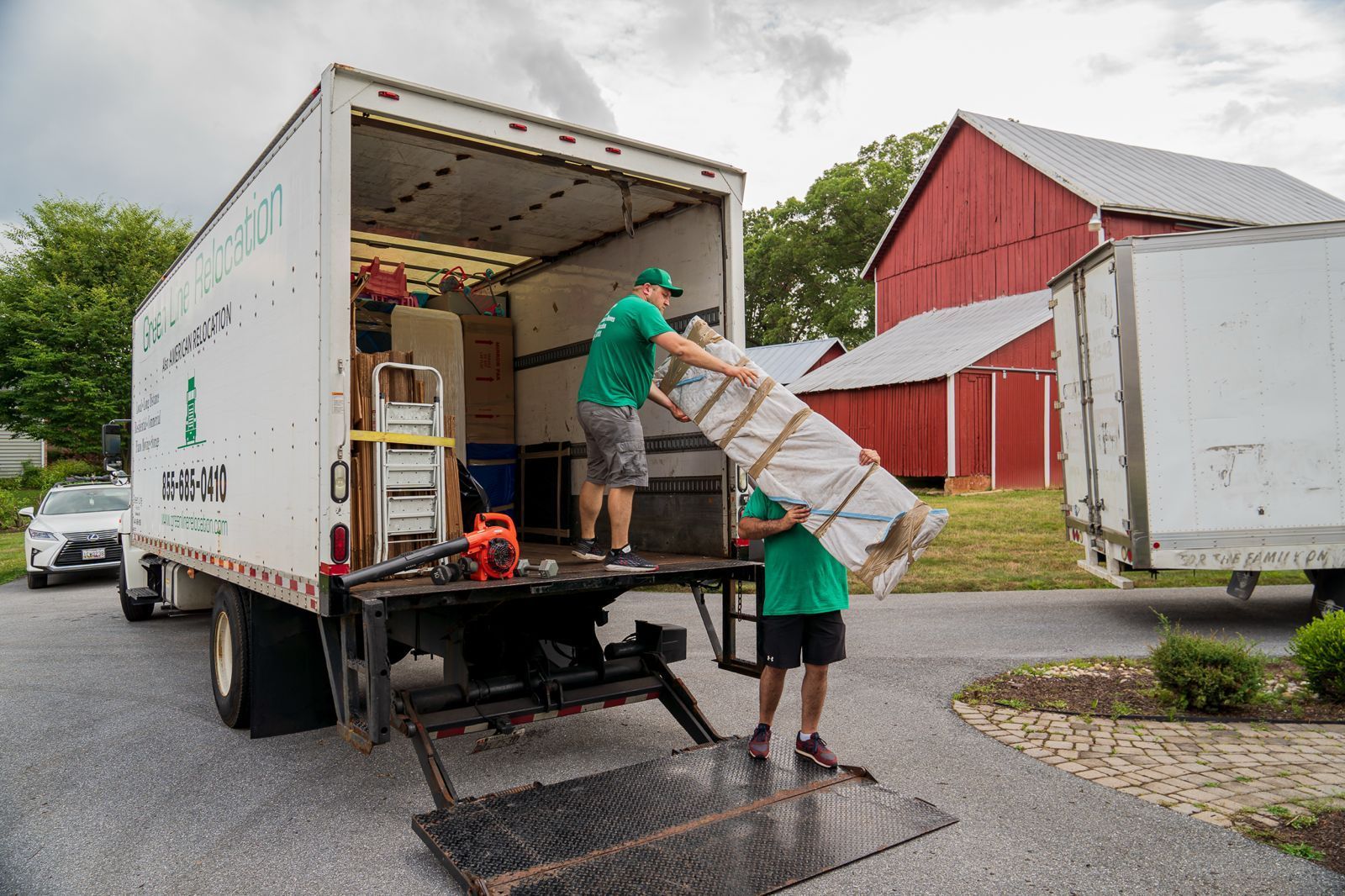
An experienced office moving company creates a clearer division of responsibility. Green Line can manage packing, labeling, furniture disassembly, transportation, unloading, and reinstallation while communicating with the teams responsible for technology and property access.
Your staff prepares the business to operate somewhere new. The movers prepare the workplace to get there.
Plan the New Office Before Emptying the Old One
A successful office move works backward as much as it works forward. Understanding how the destination should function can guide what happens before anything leaves the current location.
Identify What Can't Be Disrupted
Determine which departments, systems, equipment, and workstations are most important to ongoing operations and when each can realistically become unavailable.
Match the Schedule to the Buildings
Elevator reservations, loading dock access, security procedures, permitted moving hours, and other property requirements should be incorporated before the moving date arrives. Green Line coordinates these details with building managers as part of its office relocation planning.
The moving schedule can be organized around department priorities, employee availability, building access, and the order in which essential work areas need to become operational at the new location.
Move in a Deliberate Order
Packing, labeling, furniture breakdown, and equipment transportation can follow the priorities established for the business rather than treating every part of the office identically.
Recreate the Workplace at the Destination
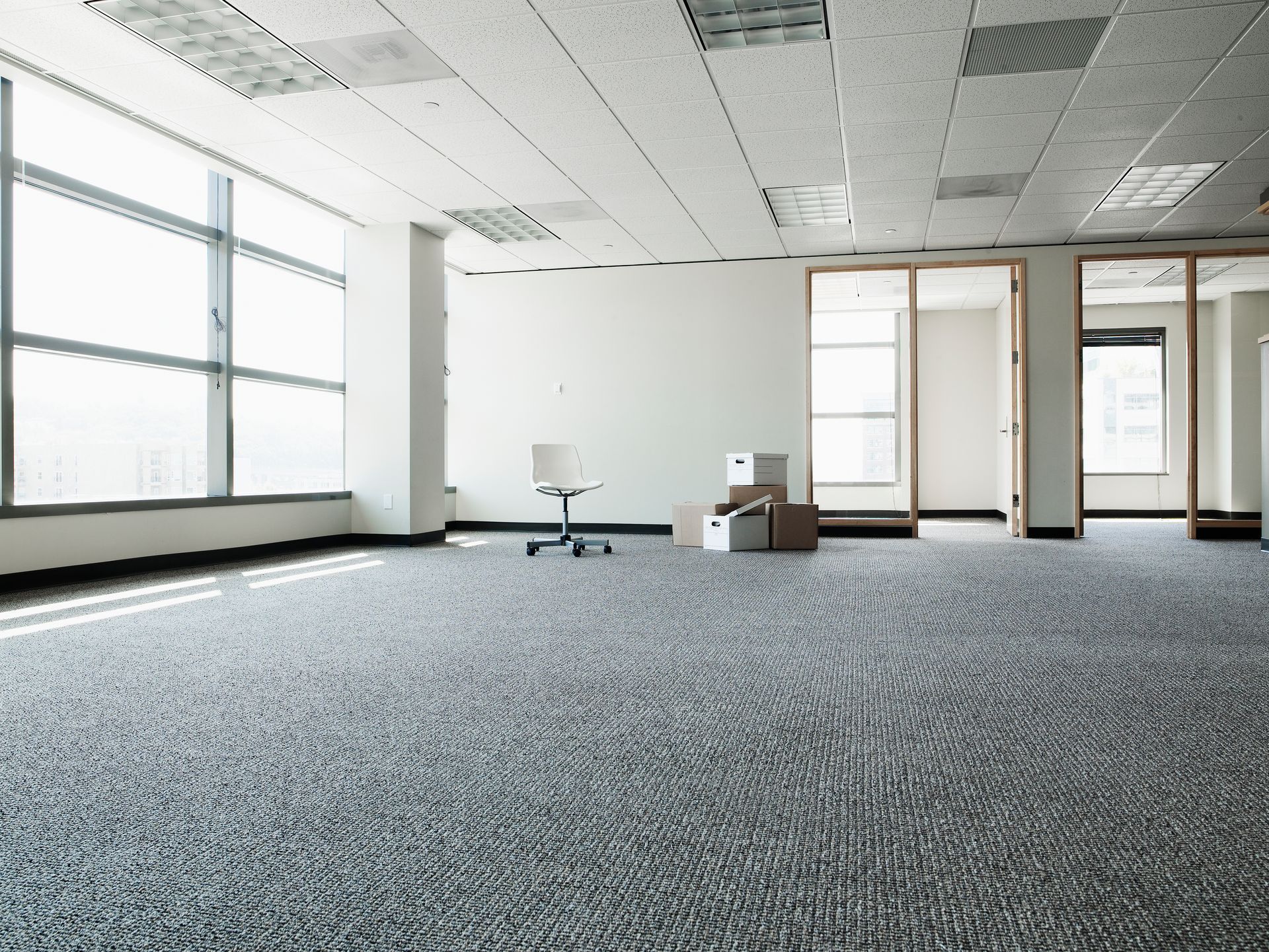
Detailed floor plans can guide where furniture, equipment, and departments belong, while workstations can be reassembled as the new space comes together.

Downtime Has a Cost. Plan Around It.
For a business, an office move is not finished simply because everything reaches the new building.
Employees need usable workstations, technology has to come back online, and important equipment needs to be where people expect to find it.
That is why the timing of the physical move deserves its own strategy. Green Line offers evening and weekend scheduling and can coordinate with IT teams on technology transitions, allowing businesses to place more of the disruptive work outside their regular operating schedule when appropriate.
If Monday morning matters, the decisions made before the weekend matter too.
Why Choose Green Line for Your Office Move?
The right commercial mover should make the transition easier for the people running the business, not introduce another layer of uncertainty. Green Line combines an established moving history with dedicated coordination, pricing clarity, customer feedback, and independent business credentials.
Commercial Experience That Goes Beyond One Office
Green Line reports 15+ years of expertise and more than 23,000 overall relocations in the United States. That broader moving history gives the team experience handling different properties, schedules, logistical requirements, and relocation challenges.
One Point of Contact Across the Transition
Your relocation coordinator helps connect the moving operation with the people inside your company. IT specifications, floor plans, building access, scheduling, and other requirements can be communicated through a consistent point of contact instead of being addressed independently as they arise.
A Scope You Can Understand Before Moving Day
Office relocation costs depend on what the business actually needs moved and how the work needs to happen. Establishing furniture, equipment, packing, access, timing, and specialized requirements beforehand helps create a clearer scope rather than leaving major variables unresolved.
800+ Five-Star Reviews
Green Line reports more than 800 five-star Google reviews. That customer history gives businesses another source of information to consider when deciding who should be trusted with an important workplace transition.
BBB Accredited
Green Line's BBB accreditation provides an independent business credential that can be considered alongside its moving experience and customer record.
Give the workplace transition a team that understands what is at stake.
Before the Movers Arrive, Get the Business Aligned
The physical work belongs to the moving crew, but several internal decisions can make the relocation considerably easier to execute.
Establish One Internal Lead
Give the relocation coordinator a primary person who can answer questions and make decisions on behalf of the company.
Create a Shutdown Sequence
Decide when departments, workstations, and technology can stop operating rather than disconnecting everything at once.
Assign Destination Zones
Give furniture, equipment, files, and boxes a clear location in the new office before they leave the current one.
Confirm Building Requirements
Share elevator reservations, loading dock rules, security access, parking restrictions, and approved moving hours with the moving team.
Green Line recommends scheduling office relocations at least four to six weeks ahead, allowing time for building coordination, IT preparation, logistics, and preferred-date availability.






Some Parts of an Office Need Their Own Moving Plan
A server rack should not be approached like a conference table, and confidential records should not become anonymous boxes in the middle of a relocation. Green Line offers specialized services for the parts of a workplace that require additional organization or handling.
Coordinate the Technology Transition
Green Line can work directly with your IT team to disconnect, transport, and reconnect computers, servers, and networking equipment so technology requirements remain connected to the broader moving schedule.
Reconfigure Desks and Workstations
Cubicles, desks, and conference room arrangements can be dismantled at the current office and reassembled according to how the new workspace is intended to function.
Keep Records Organized Between Locations
Physical paperwork and archived files can be boxed, labeled, and transported in an organized manner, helping important documents remain identifiable throughout the transition.
Work From the New Floor Plan
Furniture and equipment can be placed according to detailed floor plans or instructions coordinated with management, reducing the amount of rearranging required after delivery.
Have a department, system, or piece of equipment that needs special attention? Make it part of the conversation early.
FAQS
Frequently Asked Questions
Open the New Office Ready to Move Forward
The best outcome is not an empty old office.
It is a new workplace where employees can get back to what they do.
Share the timeline, building requirements, technology needs, and layout with Green Line
so the physical relocation can support that goal from the beginning.

Or Call (855) 685-0410 to start your free quote!